
- All
- Product Name
- Product Keyword
- Product Model
- Product Summary
- Product Description
- Multi Field Search
Views: 0 Author: Site Editor Publish Time: 2026-09-28 Origin: Site


In fresh meat processing, packaging is never just a simple container. It acts as an active variable driving shelf life, retail presentation, and overall profitability. You must view it as a critical operational asset.
Sub-optimal packaging choices frequently lead to high "leaker" rates, accelerated oxidation, and severe freezer burn. These failures directly impact your bottom line through avoidable spoilage, downgraded meat quality, and costly retailer rejections. When oxygen and moisture barriers fail, the product degrades rapidly.
Evaluating Meat Shrink Bags requires balancing crucial barrier properties, puncture resistance, and facility equipment compatibility. This guide provides a highly structured framework for selecting the exact specifications you need. You will learn how to protect product integrity, streamline your processing lines, and maximize your return on investment.
Material dictates shelf life: The choice between EVOH and PVDC barrier layers determines oxygen transmission rates (OTR) and moisture retention.
Application determines thickness: Bone-in meats require distinct puncture resistance (often 70–90+ microns) compared to boneless cuts (40–50 microns).
Optics drive retail sales: High shrink rates (up to 40-50%) and clarity are critical for premium retail presentation, eliminating excess film and blood purge accumulation.
Testing is non-negotiable: Machine compatibility (vacuum chamber sealers and dip tanks) must be validated before full-scale adoption to avoid operational bottlenecks.
Selecting the wrong materials introduces hidden costs across your entire supply chain. Processing facilities often underestimate how heavily packaging influences final product yields. You must define clear success criteria before evaluating supplier options.
Utilizing the wrong fresh meat packaging bag directly damages your product. Poor barrier films allow oxygen penetration. This causes myoglobin oxidation, turning vibrant red meat an unappealing brown. Weak moisture barriers allow evaporation. Evaporation leads to weight loss during transit. Furthermore, compromised seals create "leakers," forcing costly reprocessing or total product disposal.
A successful packaging choice delivers measurable operational improvements. You should track specific metrics to validate your selection:
Prolonged Shelf Life: Upgrading materials can extend fresh beef shelf life from 14 days to 30 days or more.
Reduced Purge: Superior shrink properties press firmly against the meat. This prevents excess liquid loss inside the package.
Zero Freezer Burn: High-performance barriers stop moisture sublimation during frozen storage.
Low Leaker Rates: Industry standard tolerances dictate a leaker rate below 1-2%. Premium bags consistently stay well under this threshold.
Procurement teams often focus solely on the per-bag price. This approach creates long-term financial risks. You must evaluate the balance between upfront material costs and performance outcomes. Factoring in reduced spoilage, fewer retailer returns, and higher meat yields easily justifies the premium price of higher-grade materials. Cheaper bags fail more often. These failures erase any initial savings through discarded meat and lost labor.
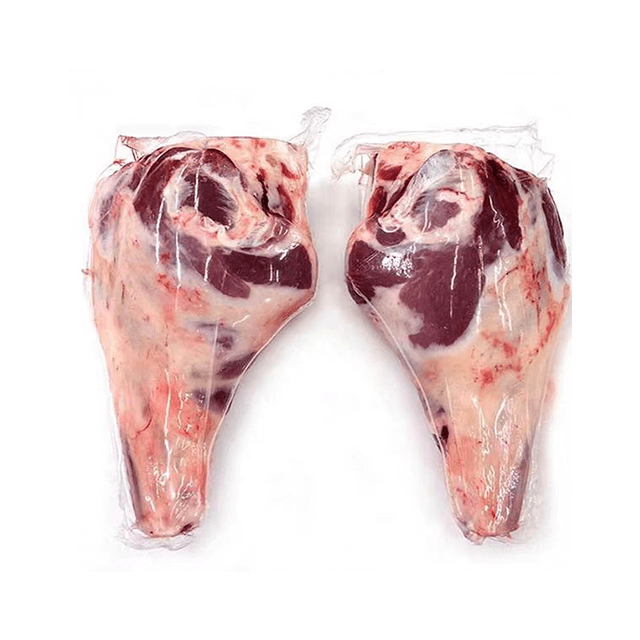
Meat packaging requires a precise intersection of chemistry and mechanical engineering. You must evaluate films across three primary dimensions to ensure adequate protection.
Gas exchange rates dictate product freshness. Oxygen Transmission Rate (OTR) remains the most critical factor for preventing oxidation and aerobic bacterial growth. Lower OTR values maintain the ideal gaseous environment inside the vacuum package. This preserves the desired red color in fresh cuts.
Similarly, Water Vapor Transmission Rate (WVTR) is essential for preventing dehydration. Meat is primarily water. High WVTR allows moisture to escape, causing weight loss during storage and transit. A low WVTR film locks in moisture, protecting your per-pound profit margins.
Mechanical strength prevents leakers during handling and transportation. Standard thicknesses typically range from 45 to 90 microns. Film engineers achieve this strength through co-extruded layer structures. Modern films often feature 7 to 9 distinct layers. These layers combine tough polyamides (nylon) for puncture resistance and polyethylene (PE) for strong sealing properties.
Table 1: Standard Shrink Bag Thickness Guide
Application Category | Recommended Thickness | Primary Risk Factor | Typical Meat Type |
|---|---|---|---|
Boneless Fresh Meat | 40 - 50 microns | Handling abrasion | Beef rounds, pork loins |
Light Bone-in Cuts | 60 - 75 microns | Small, blunt bones | Pork chops, short ribs |
Heavy Bone-in / Export | 85 - 100+ microns | Sharp bones, long transit | Tomahawk steaks, whole racks |
Whole Poultry | 45 - 55 microns | Irregular shapes, wing tips | Whole chickens, turkeys |
Optimal shrinkage requires multi-directional contraction. You should look for films offering 30-50% shrink rates when submerged in water baths at 85°C–90°C. This high shrink rate forces the film to act as a second skin. It eliminates oxygen pockets and minimizes purge spaces.
Optical properties directly influence consumer purchasing decisions. Gloss refers to how the film reflects light, making the product look premium. Haze measures the cloudiness of the plastic. High clarity improves consumer trust and perceived freshness at the retail display case.
Selecting a high barrier shrink bag ultimately comes down to the core barrier resin. The industry relies heavily on two primary polymers: PVDC and EVOH.
Polyvinylidene chloride (PVDC) has dominated the meat industry for decades. It offers exceptional performance across a wide range of processing conditions.
Characteristics: PVDC provides an excellent oxygen and moisture barrier. It delivers a high shrink rate and forms robust seals. Crucially, a PVDC shrink bag maintains strong sealability even through minor fat or blood contamination in the sealing area.
Best For: Long-term storage of fresh and processed meats. It excels in high-speed, demanding production environments.
Considerations: PVDC contains chlorine. It faces increasing regulatory and sustainability scrutiny, especially in European markets and progressive retail sectors.
Best Practice: Use PVDC for export markets where maximum shelf life and abuse resistance outweigh regional recycling mandates.
Ethylene vinyl alcohol (EVOH) represents the modern alternative to chlorinated films. It provides outstanding gas barrier properties.
Characteristics: EVOH delivers a superior oxygen barrier. It is completely chlorine-free. Many sustainability frameworks view it as a much greener high-barrier alternative compared to PVDC.
Best For: Markets enforcing strict environmental compliance. It handles standard fresh meat applications perfectly.
Considerations: EVOH is inherently moisture-sensitive. If moisture reaches the EVOH layer, the oxygen barrier fails. It requires proper structural engineering. Manufacturers must sandwich the EVOH between strong moisture barriers, like PE, to maintain performance in damp meat processing environments.
Common Mistake: Do not assume all EVOH films perform equally in wet environments. Always verify the protective layer structure with your supplier.
Different meat cuts present entirely unique physical challenges. Applying a universal bag thickness to all products guarantees failure. You must tailor your selection to the specific product.
Boneless Fresh Meats (Beef, Pork, Veal): These cuts pose minimal puncture risks. You should focus heavily on high shrink rates and visual clarity. Standard 45-50 micron bags are usually sufficient. The goal is a tight, glossy package highlighting the meat's texture.
Bone-In Meats & Ribs: These cuts introduce a severe puncture risk. A sharp bone will easily pierce standard films under vacuum pressure. This application requires 70-100+ micron bags. Additionally, processors often pair these heavy-duty bags with protective bone guard cloths or specialized patch bags. This prevents micro-punctures during the aggressive vacuum sealing process.
Poultry (Whole Birds): Whole chickens and turkeys feature highly irregular shapes. They possess deep cavities and protruding wing tips. This application requires specific bottom-seal bags. The film must offer excellent contouring abilities to wrap around varied shapes tightly. Poor contouring leaves air pockets, promoting early spoilage.
A theoretically perfect film can fail completely if your facility operations do not support it. Integrating a new meat packaging shrink bag requires strict process control.
The chosen film must seal cleanly on your existing machinery. Whether you utilize rotary vacuum chambers or inline systems, the seal bar pressure and dwell times must match the film's specifications. Heavy-micron bags require longer heating cycles to melt the polymer layers effectively. If your equipment cannot reach the necessary temperatures, you will generate weak seals.
Shrink dip tanks or hot water tunnels activate the film's memory. You must calibrate these machines strictly to the manufacturer's recommended temperature. If the water is too cold, you get poor shrinkage and unsightly wrinkles. If the water is too hot, the film suffers delamination, blown seals, or turns cloudy. Maintain a strict operational range, typically between 85°C and 90°C.
Production speed often compromises quality. Staff must be trained to ensure the sealing area remains clean. Excessive fat, meat juices, or bone dust in the seal zone represent the primary cause of lost vacuums. While some materials handle contamination better than others, a clean seal area remains your best defense against leakers.
Transitioning to a new packaging supplier requires thorough vetting. You are not just buying plastic; you are buying product security.
Never compromise on food safety. Demand documented proof of food contact safety. Your supplier must provide FDA, CFIA, or EFSA compliance declarations based on your region. Furthermore, scrutinize their facility certifications. Look for universally recognized standards like BRC, SQF, or GFSI to guarantee manufacturing hygiene.
Never purchase bags at scale without running a controlled trial. Request a 50-100 bag sample. Test the seal strength on your specific chamber machines. Evaluate the shrink performance in your actual water bath. Finally, conduct 14-day refrigerated hold tests. Monitor these test bags daily for slow leakers or color degradation.
Evaluate the operational fit of the supplier. Check their Minimum Order Quantities (MOQs). Assess their average lead times to ensure they align with your production schedules. If your retail strategy requires branding, verify their ability to provide high-quality custom printing, such as flexographic or rotogravure processes.
Selecting the right meat shrink packaging is a strategic balance of barrier science, material strength, and operational reality. You cannot afford to treat these materials as generic commodities.
Prioritize your material choice (PVDC vs. EVOH) based on your target market's specific sustainability demands and shelf-life requirements. Precisely match the bag thickness to the puncture risk of your specific meat cuts to eliminate leaker-related profit loss.
Stop accepting high spoilage rates. Contact a specialized packaging manufacturer today. Request a technical data sheet (TDS), schedule a consultation on film thickness, or order a sample pack for immediate facility testing.
A: A standard vacuum pouch removes air but does not change shape, often leaving loose, excess plastic around the meat. Shrink bags require a secondary heat application step, usually via a hot water dip tank. This heat forces the plastic to contract tightly, conforming perfectly to the meat's specific contours.
A: Yes. High-quality multi-layer shrink bags feature excellent cold-crack resistance. The advanced oxygen and moisture barriers prevent sublimation, completely protecting the meat against freezer burn for 6 to 12 months under proper deep-freeze conditions.
A: The standard operational range typically falls between 85°C to 90°C (185°F to 195°F). However, this depends entirely on the exact material specifications and thickness of the bag. Always consult your supplier's technical data sheet for precise temperature recommendations.
A: Bone-in cuts require thicker films, typically 70 to 100+ microns. To prevent micro-punctures during the vacuum cycle, you must pair these heavy-duty bags with specialized protective bone guard cloths, or utilize dedicated patch bags featuring reinforced puncture zones.


