
- All
- Product Name
- Product Keyword
- Product Model
- Product Summary
- Product Description
- Multi Field Search
Views: 0 Author: Site Editor Publish Time: 2026-06-22 Origin: Site


Address the scaling bottleneck directly. Manual packaging stations routinely cause massive end-of-line congestion. They artificially limit your overall facility throughput. They also drive up daily labor costs significantly. Eventually, human speed caps your maximum production capacity. Upgrading to automated wrapping equipment changes this dynamic entirely. You shift packaging from an unpredictable labor expense into a highly measurable automated process. This strategic shift instantly stabilizes your daily output levels.
This guide examines the exact operational mechanisms behind these efficiency gains. We detail crucial criteria for evaluating different equipment tiers. We also explore practical implementation realities for modern facility managers. You will discover exactly how automation transforms warehouse flow. By the end, you can confidently evaluate upgrade options for your specific production floor.
Labor Reallocation: Automating the sealing and shrinking process allows facilities to redirect manual labor to higher-value quality control or fulfillment tasks.
Material Optimization: Modern machines standardize film application, reducing scrap, excess waste, and the frequency of costly re-wraps.
Throughput Scalability: Integrating automatic shrink wrapping directly into production lines eliminates end-of-line bottlenecks.
Decision Criteria: Selecting the right equipment requires aligning your daily volume, product dimensions, and floor space with specific machine capabilities.
Calculate the hidden costs of manual wrapping operations first. Manual setups introduce highly variable output speeds into your facility. Operator fatigue naturally sets in during long shifts. This fatigue slows down output considerably by mid-afternoon. Furthermore, manual sealing tasks carry a higher risk of ergonomic workplace injuries. Repetitive motions strain worker wrists and shoulders over time. Injured workers require paid time off. You must then train temporary replacements. This continuous turnover cycle damages your overall packaging efficiency severely.
Common Mistake: Facility managers often calculate manual packaging expenses using only base hourly wages. They frequently ignore associated costs like ergonomic injury claims, excessive break times, and high employee turnover rates.
Consider the realities of material inefficiency next. Manual sealing operations rarely maintain consistent film tension. Operators typically either use too much film or stretch it too thin. Poorly calibrated manual sealers create excessive scrap rates daily. They often leave weak, inconsistent seams. Weak seams compromise overall product protection during transit. You end up paying for wasted plastic film. You also absorb the cost of damaged goods returned by dissatisfied customers.
Finally, you must understand the bottleneck effect. A slow packaging station dictates the pace of upstream operations. Your assembly line might comfortably produce fifty units per minute. However, if manual packers only wrap twenty units per minute, your true output remains twenty. This artificial cap destroys profitability. The entire manufacturing process slows down to accommodate the weakest link. Warehouses often resort to staging unpackaged inventory on the floor. This staging wastes valuable space and increases the risk of product damage.
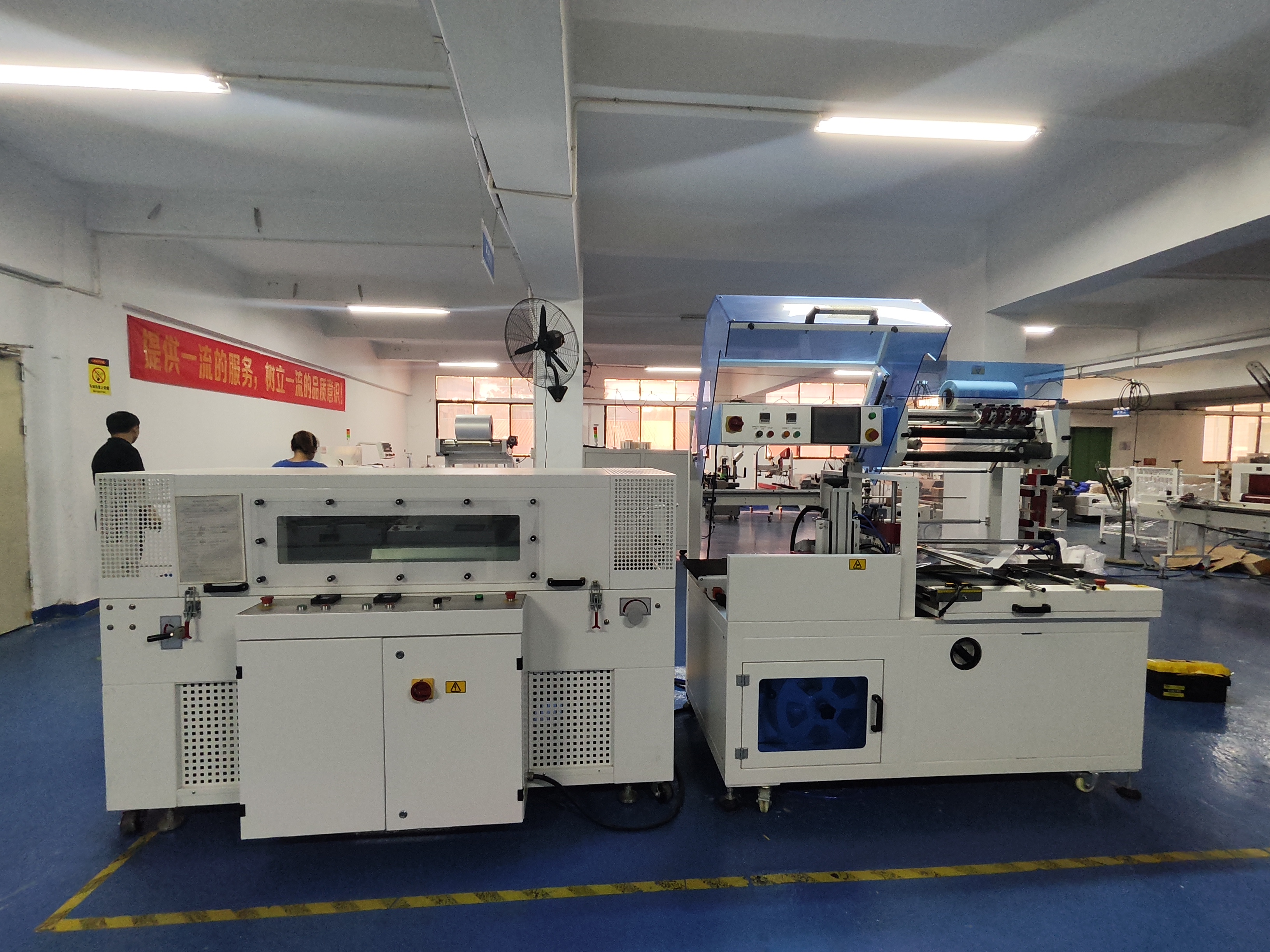
Analyze the consistent cycle times provided by automation. Human output varies wildly throughout a single manufacturing shift. A modern shrink wrap packing machine delivers standardized, predictable cycles continuously. You input a desired operational speed into the control panel. The machine matches it flawlessly hour after hour. This mechanical predictability allows highly accurate production forecasting. You can confidently promise delivery dates to major clients. Consistency also reduces stress on downstream logistics teams. They receive pallets at a steady, manageable rate.
Film calibration drives massive waste reduction across the board. A high-quality shrink film packaging machine incorporates precise optical sensors. It uses advanced mechanical tension controls. These integrated mechanisms apply the exact amount of film required per unit. You eliminate human guesswork completely. This precision significantly lowers your per-unit consumable costs. Over a fiscal year, these fractional savings compound into major budget surpluses.
Automation dramatically improves warehouse safety and product integrity. Consistent heat application secures pallet loads tightly. It creates clear, tamper-evident seals on retail items. The tightly shrunk film protects items against moisture and dust during transit. Furthermore, automated machines eliminate trailing film hazards. Loose manual wrapping often leaves excess plastic scraps on warehouse floors. These invisible scraps cause dangerous trip hazards for forklift drivers. A clean machine cut eliminates this specific warehouse danger entirely.
Focus on achieving seamless hand-offs between machines. You must connect automated wrappers to existing facility workflows smoothly. Facilities typically integrate them directly into existing infeed and outfeed conveyors. Items move smoothly from final assembly directly into the sealing zone. No human touches the product during this critical transition. This continuous flow defines highly successful production line packaging. You eliminate intermediary carts and temporary holding bins entirely.
Pacing and accumulation play vital roles in system integration. Automated systems manage product flow intelligently. They use photo-eye sensors to pace incoming items. If upstream production surges unexpectedly, the machine accumulates items safely. It spaces them out automatically before the sealing phase. This careful pacing prevents catastrophic conveyor jams. It protects fragile products from crushing against one another. The system acts as a mechanical traffic controller for your inventory.
Best Practice: Always leave a three-foot clearance around newly integrated conveyor sections. Maintenance technicians need this space to safely access drive belts and pneumatic components during routine servicing.
Data monitoring provides actionable operational insights daily. Modern equipment features deep Programmable Logic Controller (PLC) integration. These controllers track precise throughput rates hourly. They monitor internal component temperatures closely. They even predict necessary maintenance intervals based on mechanical cycle counts. You receive digital alerts before a crucial part actually fails. This predictive data prevents expensive unplanned downtime. Facility managers can schedule maintenance during planned off-shift hours.
You must establish a threshold framework for equipment selection. Facility managers must justify the capital expenditure of fully automatic systems over basic semi-automatic L-bar sealers. Look closely at your daily units per minute (UPM) metric. Automatic shrink wrapping handles high-speed, continuous flows easily. Semi-automatic units require manual loading and physical sealing trigger actions.
Review the comparison matrix below to evaluate your operational threshold:
Production Volume (UPM) | Recommended System Type | Operator Involvement | Primary Business Benefit |
|---|---|---|---|
1 to 15 Units/Min | Semi-Automatic L-Bar Sealer | High (Manual load and seal) | Low upfront capital expense. |
15 to 30 Units/Min | Fully Automatic L-Bar Sealer | Low (Monitoring only) | Consistent pacing and labor reduction. |
30+ Units/Min | High-Speed Continuous Side Sealer | Minimal (Film roll changes only) | Maximum throughput and zero bottlenecks. |
Consider the curing process carefully. High-volume operations require integrated shrink tunnel packaging setups. The automatic sealer first cuts and wraps the loose film. The item then immediately enters a dedicated heat tunnel via a mesh conveyor. The tunnel circulates hot air evenly around the package. This dual-step setup accelerates the curing process dramatically. It prevents severe bottlenecks at the heating stage. The continuous conveyor movement ensures the film shrinks uniformly without burning.
Dimension and footprint constraints matter immensely during procurement. You must match the machine's seal bar dimensions to your largest manufactured product. If the mechanical jaws cannot clear the item height, the machine becomes useless. Also, factor the physical footprint into your existing facility layout. You must leave adequate clearance for maintenance access. Operators also need room for bulky material loading. Measure your available floor space before finalizing any equipment purchase.
Consumable compatibility poses a major adoption risk for new buyers. Facility managers often mismatch machine specifications against actual film types. This mismatch causes immediate operational failures.
Polyolefin (POF): Highly flexible and FDA-approved for direct food contact. It requires highly specific temperature settings to shrink correctly.
PVC: Somewhat brittle and emits strong odors when heated. It is phasing out in many regions due to environmental regulations.
Polyethylene (PE): Much thicker and ideal for heavy industrial loads. It requires heavy-duty sealing wires and higher tunnel temperatures.
Mismatched films cause poor seal integrity immediately. You must test your chosen film extensively during the commissioning phase. Do not assume all plastics react identically to tunnel heat.
Anticipate routine maintenance downtime proactively. Set highly realistic expectations regarding consumable wear parts. The sealing process relies heavily on specific replaceable components. Sealing wires naturally degrade over thousands of intense heat cycles. Teflon tape requires frequent replacement to prevent melted film from sticking to the jaws. Cutting blades dull over time and require sharpening or replacement. You must establish strict preventative maintenance schedules. Ignoring these schedules leads to unplanned, expensive production stops.
Prioritize comprehensive operator training above all else. Efficiency naturally increases post-installation. However, operators require very specific technical training to maintain it. They must learn precise temperature calibration techniques. They must understand how to troubleshoot basic sensor faults quickly. They also need strict protocols for safe, rapid film roll changeovers. A highly trained operator keeps the machine running at peak theoretical capacity. Untrained staff will constantly halt production to fix minor film jams.
Automation represents a highly strategic long-term investment. It guarantees daily throughput consistency. It aggressively reduces ongoing material waste and related costs. It serves as a comprehensive system upgrade, not just a standalone mechanical tool. You regain total control over your end-of-line packaging speed. This control allows you to scale warehouse operations confidently.
Follow a strict shortlisting logic before contacting equipment vendors. Audit your current packaging units-per-minute accurately. Measure the maximum dimensions of your bulkiest product carefully. Calculate your exact current labor expenses dedicated to manual wrapping stations. Do this essential homework before requesting any vendor quotes. Accurate data ensures you buy the exact machine capacity you need.
Take action today to streamline your facility. Consult a dedicated packaging automation specialist immediately. Utilize a standardized ROI calculator to assess your specific facility needs. Proper planning and precise metrics guarantee a highly successful equipment rollout.
A: It depends heavily on your current labor costs and daily production volume. However, most facilities see full returns within 8 to 18 months. You achieve this through direct labor reallocation. You also save significantly on reduced material waste. High-volume operations naturally experience faster payback periods.
A: Modern tunnels are highly insulated and energy-efficient. However, adequate ambient temperature control is strongly recommended. Standard industrial ventilation handles most setups. If you run PVC films, you may require specialized exhaust systems due to emitted odors during heating.
A: Yes. However, you must consider operational changeover times. Switching between vastly different sizes requires physical adjustments. Machines equipped with programmable memory settings reduce this downtime significantly. They automatically adjust conveyors and seal heights based on saved product profiles.


