
- All
- Product Name
- Product Keyword
- Product Model
- Product Summary
- Product Description
- Multi Field Search
Views: 0 Author: Site Editor Publish Time: 2026-10-23 Origin: Site


Procurement and operations teams face immense dual pressure today. You must meet aggressive ESG targets to satisfy stakeholders and regulatory bodies. At the same time, you cannot afford to slow down your packaging line speeds. Minimizing material costs remains a constant priority for facility managers. Balancing these competing demands is an ongoing operational challenge. Historically, operators relied on virgin polyolefin (POF) for dependable performance. Now, the packaging industry is rapidly shifting toward a new standard. Companies are aggressively adopting materials incorporating post-consumer resin. Navigating this transition requires clear data and practical insights.
This guide provides an evidence-based breakdown of PCR film performance. We detail true sustainability metrics and environmental ROI. You will discover the operational realities for commercial packaging lines. We cover everything from line speeds to tax compliance frameworks. Expect actionable strategies to upgrade your packaging approach seamlessly.
PCR shrink film blends virgin resin with repurposed plastic waste, directly reducing fossil fuel reliance.
A 30% PCR shrink film ratio is currently the industry standard, offering the optimal balance between compliance (avoiding plastic taxes) and mechanical performance.
Adopting recycled POF shrink film is generally a "drop-in" replacement, requiring minimal to no machinery upgrades, though slight thermal adjustments may be necessary.
While unit costs for PCR may carry a premium over virgin film, ROI is realized through tax offsets, retail compliance, and brand equity.
Understanding the core mechanics of these materials ensures better procurement decisions. We will explore the lifecycle of post consumer recycled film. Material is first recovered from end-users in local communities. Waste facilities collect, sort, and aggressively clean this plastic waste. Manufacturers then re-pelletize the cleaned material into usable resin. Extruders mix these recycled pellets with high-quality virgin polymers. This combination creates a resilient, flexible packaging layer. The final product retains the protective qualities of traditional shrink wrap.
Procurement clarity requires distinguishing between different recycled inputs. Post-Industrial Recycled (PIR) plastic comes directly from factory scrap. It never reaches a consumer. Post-Consumer Recycled (PCR) plastic comes from household or commercial end-users. True ESG targets rely heavily on PCR content. PCR actively removes existing waste from local community streams. PIR simply recycles manufacturing floor waste. Relying on PCR provides stronger environmental claims for corporate reporting.
Industry professionals must also distinguish between two confusing terms. "Recycled" refers entirely to the origin of the film. It means the film contains repurposed materials. "Recyclable" refers exclusively to end-of-life disposal. It means facilities can process the used film again. A product can be made from recycled resin while remaining fully recyclable. Understanding this distinction prevents misleading marketing claims on your retail packaging.
Corporate mandates drive the widespread adoption of 30% PCR shrink film. Why is a 30% blend the current commercial sweet spot? It perfectly balances regulatory compliance and mechanical performance.
Compliance represents the primary driver for this specific ratio. A 30% threshold meets minimum requirements for major global plastic taxes. The UK Plastic Packaging Tax mandates this exact percentage. Brands avoid heavy financial penalties by hitting this benchmark. Big-box retail mandates also favor this standard. Major retailers frequently require secondary packaging to feature significant recycled content. Meeting this standard guarantees continued market access for your products.
Performance remains robust at the 30% threshold. The material maintains necessary tensile strength for heavy-duty transit. Puncture resistance survives rough handling without severe degradation. Pushing the ratio above 30% can sometimes weaken the mechanical structure. Keeping it at 30% ensures your multi-packs stay protected during shipping.
Buyers often express skepticism regarding clarity and visual appeal. Optical realities matter for retail display shelves. A 30% blend may have a very slight variation in haze. You might notice this when comparing it directly against 100% virgin film. However, it remains highly transparent for consumer visibility. Brand logos, barcodes, and product colors remain perfectly legible. Retail aesthetics do not suffer under typical lighting conditions.
Seal integrity remains another common operational concern. Cross-linked formulations solve this issue easily. Cross-linking the polymer chains improves the durability of the seals. The material holds heavy goods and large multi-packs securely. You will not experience blown seals during transit. Your shrink tunnel will still produce tight, professional packaging.
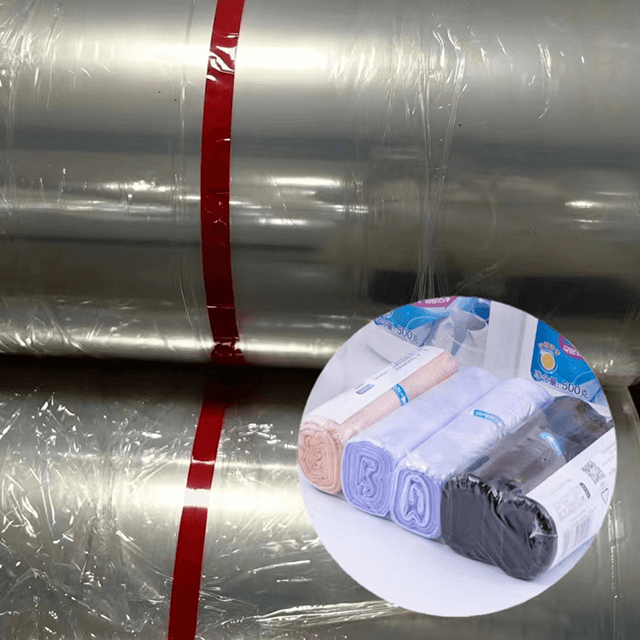
Evaluating true environmental impact requires looking at the entire lifecycle. Replacing virgin resin yields significant carbon footprint reductions. Life Cycle Assessments (LCA) prove these benefits clearly. Extracting crude oil to create virgin plastic requires massive energy. Cleaning and re-pelletizing existing waste uses far less energy. This process lowers greenhouse gas emissions substantially during production. Your corporate sustainability report benefits directly from these reduced emissions.
Diverting waste from landfills provides another major environmental benefit. You create strong market demand for recycled plastics. This demand financially supports the broader circular economy. Recycling facilities need buyers for their recovered materials. Purchasing these films funds better recycling infrastructure globally. Every pallet you order prevents thousands of pounds of plastic from sitting in landfills.
End-of-life reality remains a critical question for sustainability officers. Can PCR film be recycled again? Yes, it can. POF-based PCR films maintain a stable chemical structure. They can typically enter the same flexible LDPE recycling streams as virgin films. Store Drop-off programs widely accept these materials. Consumers can return the packaging to retail collection bins. They function seamlessly as a recyclable shrink film. Your brand helps close the loop on plastic waste.
Facility managers often fear severe downtime when changing materials. Machine compatibility is actually a major strength of this transition. Transitioning to this material rarely requires capital expenditure. You do not need to purchase new wrappers or shrink tunnels. Adopting a cross-linked recycled POF shrink film acts as a direct drop-in replacement. Existing L-bar sealers and continuous motion side sealers accept it readily.
Implementation realities do require some attention during the initial changeover. Temperature mapping is the most common requirement. You may need minor tweaks to your shrink tunnel temperatures. The heat window might be slightly narrower than virgin POF. Seal bar heat also requires precise calibration. Operators usually adjust settings by just a few degrees to achieve perfect seals. Once dialed in, the settings remain stable for future runs.
Slip and feed rates also require evaluation on automated lines. The friction coefficient sometimes differs from virgin film. High-speed automated lines require consistent slip properties to prevent jams. High-quality recycled films maintain an excellent coefficient of friction. They feed smoothly through high-speed automated packaging machinery. Lower-tier suppliers might provide sticky films, which cause line disruptions. This highlights the importance of choosing a reputable manufacturer.
Line speed maintenance is fully achievable. Reassure your operators that throughput will not drop. High-speed automated lines maintain maximum capacity once thermal settings are locked. You can meet peak seasonal demand without slowing down production.
Operational Metric | 100% Virgin POF Film | 30% PCR POF Film |
|---|---|---|
Machine Compatibility | Universal on all wrappers | Universal (Drop-in replacement) |
Tunnel Temperature | Standard baseline settings | May require 5-10°F adjustment |
Seal Bar Calibration | Broad heat tolerance | Requires precise heat calibration |
Line Speed Capabilities | Maximum machine speed | Maximum machine speed |
Slip Properties (COF) | Highly consistent | Consistent (with premium vendors) |
Evaluating costs requires a transparent and broad view. High-quality PCR Shrink Film carries a slight production premium. Producing recycled resin is currently more expensive than extracting virgin plastic. Waste collection, sorting, and intense cleaning processes drive this price up. Procurement teams must anticipate a higher initial unit cost per roll.
Offsetting the premium happens through strategic financial advantages. Tax avoidance plays a massive role in this calculation. You can calculate significant savings by bypassing national plastic packaging taxes. The UK and several EU nations impose heavy fees on virgin plastics. A 30% recycled blend exempts your company from these specific taxes.
Market access provides another financial offset. Meeting mandates for big-box retailers protects your revenue streams. Retailers like Target and Walmart increasingly require PCR content in packaging. Failing to comply can result in delisting or heavy vendor chargebacks. Adopting recycled materials protects your shelf space and brand reputation.
Selecting the right vendor determines your operational success. Evaluating suppliers requires strict criteria. Use the following framework to shortlist potential manufacturing partners:
Ask for certified supply chain documentation. You must verify their claims. Request proof like the Global Recycled Standard (GRS) certificate. This ensures the recycled content is legitimate and traceable.
Verify consistency between batches. Inconsistent film causes massive machinery jams. Ask how they ensure uniformity across different production runs. This mitigates a common risk associated with lower-tier suppliers.
Request pilot rolls for in-house line testing. Never sign a massive contract blindly. Run the sample rolls on your actual equipment. Observe the optical clarity, seal strength, and machine slip firsthand.
Integrating recycled content into your packaging strategy is no longer optional. It represents a vital step toward regulatory compliance and market resilience. This material is a viable, enterprise-ready solution for your packaging lines. It actively reduces environmental impact without sacrificing heavy-duty packaging integrity. You can maintain high-speed throughput while supporting the circular economy. The slight cost premium is easily offset by tax exemptions and guaranteed retail access.
Your next step requires practical testing on the factory floor. Theoretical data only goes so far in operations. The only definitive way to verify performance is on your own equipment. Consult with your machine operators to plan a brief testing window. Monitor the thermal adjustments and observe the final retail appearance carefully.
Take proactive action today to secure your ESG goals. Reach out to a certified supplier and request a 30% PCR sample roll. Schedule a consultation for a comprehensive line trial. Upgrading your packaging strategy ensures long-term profitability and environmental stewardship.
A: Generally, no. Most PCR films are used exclusively for secondary packaging, such as multi-packs and exterior boxes. Virgin film is still typically required for direct food contact. Exceptions exist only if the PCR undergoes specialized, highly regulated chemical recycling approved by regulatory bodies.
A: The shrink ratio remains largely identical to standard films. However, the operational heat window might be slightly narrower. This characteristic requires precise tunnel calibration to achieve a smooth, wrinkle-free finish on your products.
A: Yes. Despite containing recycled content, it retains its core chemical structure. It is considered a recyclable shrink film under standard flexible plastic recycling guidelines. Consumers can typically place it in plastic #4 store drop-off bins.
A: At a 30% ratio, the loss in tensile strength is negligible. This is especially true if the material is cross-linked during manufacturing. The slight strength variance does not impact normal transit durability or retail handling requirements.


