
- All
- Product Name
- Product Keyword
- Product Model
- Product Summary
- Product Description
- Multi Field Search
Views: 0 Author: Site Editor Publish Time: 2026-09-09 Origin: Site


Food processors face immense pressure in today's competitive retail landscape. You must extend product shelf life while simultaneously maximizing retail shelf appeal. Finding the exact balance often creates a core conflict on the packaging floor. Do you stick to the proven, established cost-efficiency of traditional vacuum sealing? Or do you embrace the premium presentation and higher capital reality of vacuum skin packaging? Making this choice directly impacts your operational efficiency and your bottom line.
We created this guide to resolve that exact conflict. We provide a thorough technical and commercial breakdown of both methods. You will learn how to evaluate which system aligns best with your product margins, facility floor space, and production capabilities. By understanding the mechanical differences and material requirements, you can deploy the right strategy. Let us dive into the mechanics and explore how to short-list the best solution for your upcoming product lines.
Structural Difference: Traditional vacuum packaging removes air from a flexible pouch, often distorting the product; VSP packaging drapes a specialized film over the product, sealing it to a rigid tray without altering its natural shape.
Material Distinction: Standard methods rely on a basic food vacuum bag, whereas VSP utilizes an advanced, high-barrier vacuum packaging film that acts as a "second skin."
ROI Profile: VSP offers superior vertical display and prevents liquid purge (weeping), making it the optimal choice for high-margin fresh meat packaging and premium ready-meals, while standard vacuum remains the standard for bulk and B2B transport.
Understanding the physical process behind each packaging method highlights why they produce such vastly different results on the retail shelf. The mechanics dictate the final presentation.
Operators typically place the food item into a pre-made food vacuum bag. You load these bags into a vacuum chamber or position them over a nozzle. The machine rapidly evacuates all ambient air from the surrounding space. Finally, a heated sealing bar clamps down to close the opening permanently.
Limitations: When the chamber lid opens, atmospheric pressure rushes back into the room. This pressure forces the bag to collapse tightly against the food. This aggressive physical force crushes delicate items easily. It also squeezes out internal product moisture, creating an unappealing liquid purge. Furthermore, the thick plastic often wrinkles, obscuring your product behind a distorted, hazy surface.
Modern VSP Packaging takes a radically different approach. You place the product onto a rigid bottom tray or cardboard web. Inside the sealing station, the machine heats a specialized top layer of transparent film until it softens. The machine then gently stretches this heated film over both the product and the bottom tray. It applies targeted vacuum pressure underneath, bonding the film tightly to the base.
Advantages: The film acts exactly like a second skin. It contours perfectly to every peak and valley of your product. You apply zero atmospheric tension to the product itself. This gentle process locks natural juices inside the protein. It delivers a clear, three-dimensional retail presentation. Consumers see exactly what they are buying.
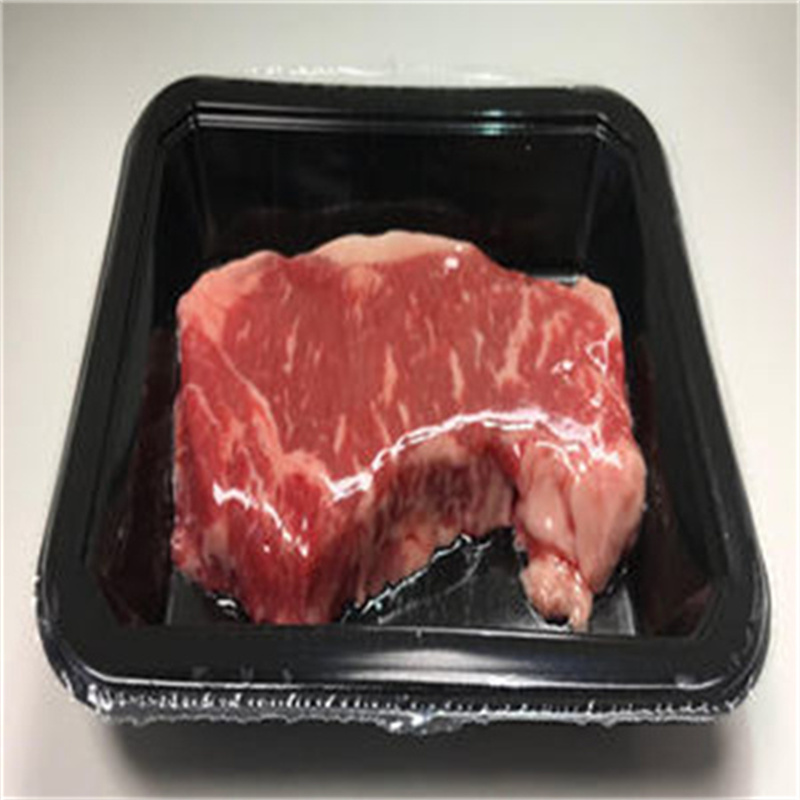
You must evaluate both systems across multiple operational pillars. We break down how they perform regarding longevity, aesthetics, and unit economics.
Both methods effectively block ambient oxygen. They mitigate oxidation and stop aerobic bacterial growth successfully. However, skin packaging offers a distinct, measurable edge in shelf-life consistency.
Standard bags inevitably fold over themselves during the suction phase. These microscopic wrinkles create tiny capillary channels where residual oxygen sometimes pools. Over weeks in cold storage, this trapped air accelerates localized spoilage. Skin films eliminate this risk completely. The film fuses entirely to the bottom web, eliminating micro-wrinkles and sealing out oxygen completely.
Retail dynamics dictate consumer behavior. Packaging aesthetics matter immensely.
Standard Methods: Traditional bags lay flat. Liquid pools around the protein visibly. Retailers generally limit these packages to horizontal, bottom-shelf displays. They look industrial rather than premium.
VSP Methods: You can display these packages vertically. You can hang them on pegboards or stand them upright in cooler doors. The highly transparent film enhances the consumer's perception of quality. It makes the protein look freshly cut by a butcher.
Standard pouches function as highly commoditized items. They cost pennies per unit, making them incredibly cost-effective for high-volume, low-margin runs.
Conversely, skin packaging requires advanced, multi-layer vacuum packaging film. You must also purchase rigid bottom trays or specially coated cardboard pads. These combined elements increase per-unit material costs significantly. You can usually only justify this added expense through higher retail price points and improved shelf conversion rates.
Performance Metric | Traditional Vacuum Packaging | Vacuum Skin Packaging (VSP) |
|---|---|---|
Display Orientation | Horizontal only (lays flat) | Vertical, pegboard, or horizontal |
Liquid Purge Risk | High (pressure squeezes product) | Zero (film locks juices in place) |
Visual Clarity | Prone to wrinkling and haziness | Crystal clear, 3D contouring |
Material Cost per Unit | Low (Commoditized) | Medium to High (Specialized) |
Primary Application | Bulk, B2B, Frozen commodities | Premium retail, fresh meats, ready-meals |
Selecting the right packaging format depends entirely on the specific product category. Applying an expensive solution to a low-margin product harms profitability quickly.
Reserve this premium format for items requiring maximum visual appeal and structural protection.
Fresh Meat Packaging & Seafood: Skin films prevent rapid discoloration. They eliminate unsightly blood purge entirely. They hold premium cuts securely in place. When executing premium fresh meat packaging, bone-in steaks benefit greatly. The heated film drapes safely over sharp bones without puncturing, unlike standard bags.
Ready-Made Meals: Consumers demand convenience. Multi-compartment trays keep individual ingredients perfectly separated during transit. Many skin films are microwave-ready, adding immense value for the end user.
Premium Cheeses: Artisanal cheeses feature irregular shapes and delicate textures. The skin film molds perfectly to these unique cuts without compressing the delicate curds.
Do not abandon your chamber machines. They remain vital for specific operational segments.
B2B Wholesale Distribution: Retail aesthetics are completely irrelevant for back-of-house restaurant deliveries. A chef simply wants a protected, easy-to-open product.
Frozen Commodity Proteins: When you freeze bulk chicken breasts or ground beef chubs, ice crystals form naturally. Standard bags provide adequate protection against freezer burn without unnecessary material costs.
Low-Margin Products: If your product cannot command a retail markup, expensive packaging capital expenditures will consume your profitability entirely. Stick to basic pouches.
Adopting new packaging technology involves mechanical and logistical hurdles. Operations managers must prepare for these specific floor realities before committing capital.
Transitioning to skin packaging requires investing in specific tray sealers or large-scale thermoforming machines. These industrial units carry a significantly higher upfront cost than standard vacuum chamber machines. Chamber machines offer a low barrier to entry. Tray sealers require heavy facility planning, dedicated electrical drops, and sometimes external compressed air systems.
Cycle times differ notably between the two formats. Skin packaging cycles often run slightly longer. The machine must heat the top web film precisely before dropping it over the product. This heating and forming phase adds critical seconds to every cycle. Operations leaders must calculate the exact impact on units-per-minute (UPM) to ensure production quotas remain attainable.
Flexibility matters on a busy production floor. A standard chamber sealer accepts an 8x10 bag and a 12x14 bag instantly. You just place them inside and close the lid.
Conversely, VSP tray sealers require specific tooling and molds for different tray footprints. If you switch from a single-steak tray to a family-pack tray, maintenance must halt the machine, swap heavy metal molds, and recalibrate the heating profiles. This adds mandatory downtime during daily product changeovers.
To execute successful vacuum skin packaging, your top film must bond seamlessly with your bottom tray. You cannot purchase film and trays blindly. They must be chemically compatible. Whether you use PP (Polypropylene), PET, or CPET trays, the top web must match the substrate. Mismatched materials result in weak seals, peeling edges, and catastrophic spoilage during transit.
Always request physical material data sheets from both your film supplier and your tray supplier.
Run a full 48-hour leak test on your first batch of sealed trays before shipping them to distributors.
Do not run your sealing heat too high to speed up cycle times. This burns the film and compromises the barrier integrity.
Never assume standard maintenance teams can troubleshoot advanced thermoformers without specific OEM training.
Follow this straightforward decision matrix to finalize your packaging direction. You must align your financial realities with your marketing goals.
Step 1: Analyze Product Margins. Look at your current retail price point. Does the markup of your product easily support a 15-30% increase in packaging material costs? If yes, proceed to step two.
Step 2: Evaluate the Shelf Environment. Go to the retail stores where you sell. Are you competing in a highly crowded retail cooler? If your competitors lay flat in messy bags, switching to vertical displays and crystal-clear presentation will drive immediate conversion.
Step 3: Assess Production Capabilities. Measure your facility floor space. Check your capital budget for a new tray sealer. Most importantly, verify your production runs. Are they long enough to minimize tooling changeover downtime?
Next Action: Request sample runs with your specific product directly from equipment OEMs. Test the actual film adhesion yourself. Observe the purge retention in real time. Clock the real-world cycle speeds to verify their marketing claims against your actual factory conditions.
Choosing between these two technologies requires a clear understanding of your end goals. Standard vacuum packaging remains an unbeatable utility play for bulk preservation and wholesale transport. It protects food reliably and cheaply. Skin packaging serves an entirely different purpose. It acts as a powerful marketing and merchandising investment disguised as a preservation tool.
You must align your packaging technology strictly with your end-user environment. Invest heavily in skin film systems for premium retail shelves where visual appeal dictates the purchase. Retain your traditional chamber systems for back-of-house efficiency and low-margin bulk items. Audit your current SKU lineup today. Identify the premium lines that suffer from poor presentation, and upgrade them to skin packaging to capture immediate market share.
A: No. VSP requires a highly specialized, heat-formable top web film. This film must soften under heat and bond chemically to a rigid bottom tray. Standard flexible pouches will not stretch, contour to the product, or adhere correctly to a tray.
A: Both offer excellent oxygen barriers. However, skin packaging can marginally improve shelf life. It completely eliminates liquid purge, which normally acts as a breeding ground for bacteria. It also prevents any microscopic air pockets from forming within wrinkles.
A: It depends heavily on the specific material structure. Historically, these films utilized complex multi-layer laminates that proved very difficult to recycle. Today, new mono-material skin films, like mono-PET or PE structures, are emerging to meet strict sustainability and compliance goals.


