
- All
- Product Name
- Product Keyword
- Product Model
- Product Summary
- Product Description
- Multi Field Search
Views: 0 Author: Site Editor Publish Time: 2026-01-17 Origin: Site


When it comes to everyday kitchen tasks, one of the most common questions is whether certain materials are microwave-safe, especially when it involves cling film. Many of us use cling film (or plastic wrap) to cover food items for storage or reheating. But with the growing concern about food safety and health, a frequent question arises: Can you put cling film in a microwave?
While cling film is commonly used in kitchens, knowing whether it's safe to use it in the microwave can be confusing. There are several factors to consider, including the type of cling film being used, its quality, and whether it’s designed for microwave use. This article will explore the safety concerns associated with using cling film in the microwave, the potential risks involved, and how to use it properly for microwave purposes. Additionally, we'll offer insights into how to select the right cling film for microwave use and discuss alternatives for food storage and reheating.
Cling film, often referred to as plastic wrap, is a thin, flexible film made from plastic, typically polyethylene or PVC. It is designed to cling to food containers and other surfaces, helping to seal and protect food from contamination. It’s commonly used for wrapping food for storage or covering dishes in the fridge.
However, cling film can be used for a variety of purposes, including in the microwave, under specific conditions. The film is usually made to be heat resistant to a certain degree, but not all cling films are created equal, especially when it comes to their microwave safety. Different types of plastic wrap have different melting points, chemical compositions, and safety guidelines, making it important to choose the right kind for microwave use.
Not all cling film is microwave-safe. While most of us are accustomed to using plastic wrap to cover food, it's essential to know that not all types of plastic are suitable for microwaving. Some cling films can release harmful chemicals when exposed to high heat, which can affect the quality of the food and pose potential health risks. Therefore, selecting the right microwave-safe cling film is crucial to ensure safe use in your kitchen.
Here are the key characteristics to look for when choosing microwave-safe cling film:
One of the most critical factors in choosing microwave-safe cling film is ensuring that it is BPA-free. BPA (Bisphenol A) is a chemical commonly used in the production of certain plastics, including some cling films. When heated, BPA can leach into food, posing health risks such as hormone disruption and increased cancer risk. In recent years, many manufacturers have switched to BPA-free alternatives for their cling films, offering consumers peace of mind when using plastic wraps in the microwave.
The next important characteristic to consider is heat resistance. Microwave-safe cling films are specially designed to withstand the heat produced inside a microwave without melting or releasing harmful substances. Most microwave-safe films are made from materials like polyethylene (PE) or polyvinylidene chloride (PVDC), which have higher heat tolerance compared to other plastic materials. Always check the product labeling to confirm that the cling film is rated for microwave use. Films that are not specifically labeled as microwave-safe may melt or degrade under heat, potentially contaminating your food.
Different brands may have specific guidelines on how their cling film should be used in the microwave. It’s essential to always follow the manufacturer’s instructions to avoid any issues. Some cling films require specific actions, such as leaving a gap for steam to escape or venting the wrap to prevent pressure buildup. Failing to follow these instructions can lead to issues like the film melting, bursting, or sticking to your food.
Microwave-Safe Features:
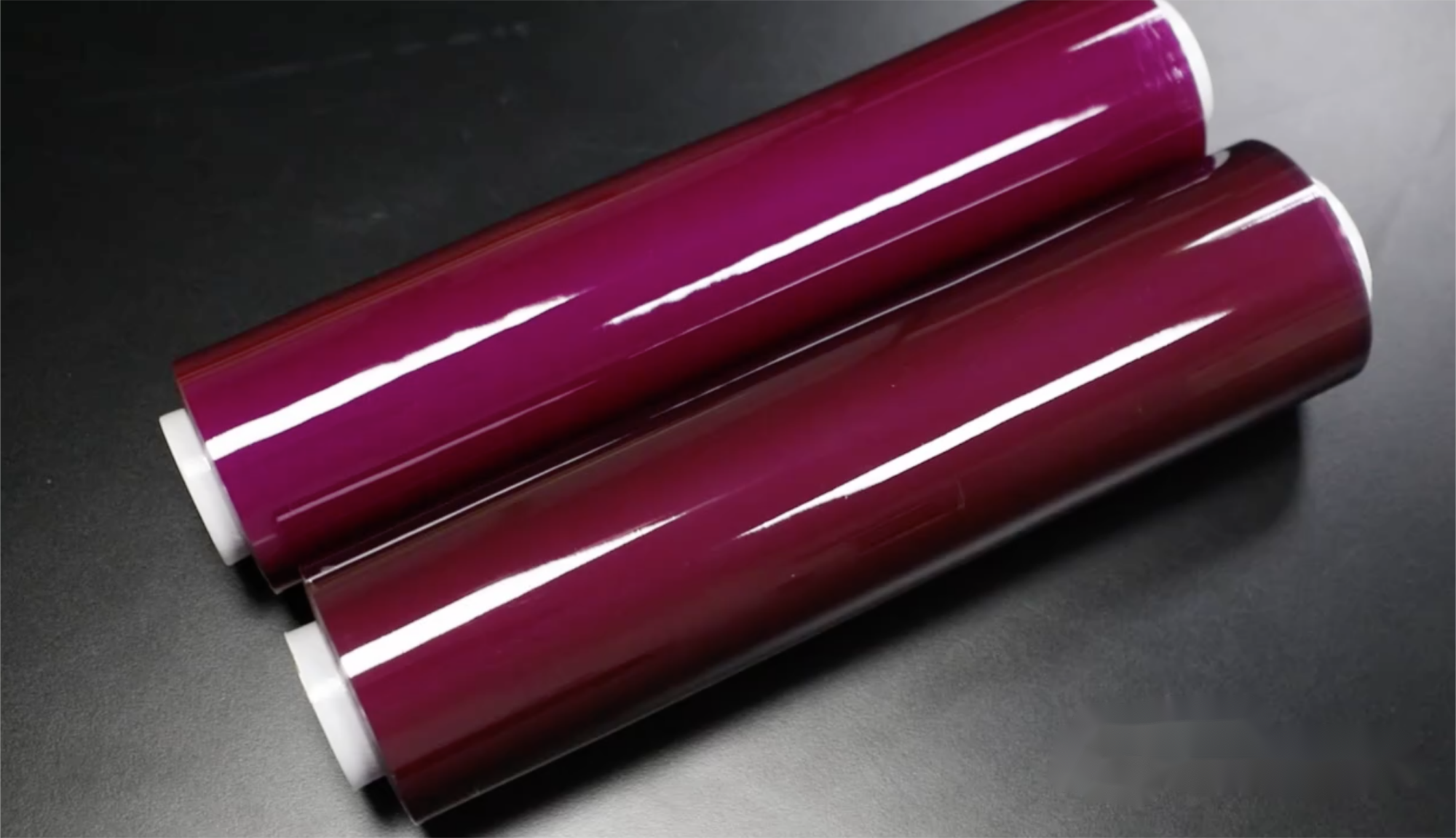 | Feature | Benefit |
BPA-Free | Safe for food, with no harmful chemicals leaching into the food. | |
Heat Resistance | Can withstand the heat generated in a microwave without melting or releasing toxins. | |
Ventilation | Some microwave-safe cling films come with ventilation holes to release steam safely. |
While microwave-safe cling film is designed to withstand the heat of microwave cooking, there are still risks associated with improper use. Using non-microwave-safe cling film in the microwave can lead to several issues:
Melting and Deformation: Non-microwave-safe cling film may melt or deform when exposed to high heat. This can cause the wrap to stick to your food, potentially making it inedible or difficult to remove.
Chemical Leaching: Cling films made from materials like PVC (Polyvinyl Chloride) may release harmful chemicals, such as dioxins, when exposed to the heat of the microwave. This poses a potential health risk, especially when the cling film is in direct contact with food.
Food Contamination: If cling film melts, it may contaminate your food, making it unsafe to eat. The potential for melted cling film to stick to your microwave’s interior or your food is a significant safety concern.
These risks can be minimized by choosing microwave-safe cling film and adhering to the manufacturer’s instructions.
To ensure safety when using cling film in the microwave, follow these key guidelines:
Use Microwave-Safe Cling Film Only: As mentioned earlier, always ensure the cling film is labeled as microwave-safe. This will ensure it won’t melt or leach harmful chemicals when exposed to heat.
Leave a Vent for Steam: If the cling film doesn’t have a venting system, be sure to leave a small gap for steam to escape. This will prevent the wrap from ballooning up or melting due to trapped moisture.
Avoid Direct Contact with Food: To reduce the risk of cling film sticking to the food or melting onto it, avoid placing the film directly on the food. Instead, allow some space between the film and the food, especially if you’re microwaving foods that can release high amounts of moisture.
Short Intervals and Monitoring: It’s advisable to microwave in shorter intervals and check the food to ensure the cling film is not overheating or melting.
If you’re unsure about using cling film in the microwave or if you want to avoid potential risks, there are several safe alternatives that can be used instead of plastic wrap:
Microwave-Safe Glass Lids: Using a microwave-safe glass lid to cover your dish can keep moisture in without the potential risks of cling film. Glass lids are reusable, easy to clean, and safe for microwaving.
Microwave-Safe Ceramic or Plastic Covers: These covers fit over the dishes and can be used safely in the microwave. They are designed to withstand the heat while allowing steam to escape, making them a safer alternative to plastic wrap.
Parchment Paper: For some dishes, you can use parchment paper to cover your food while microwaving. It’s breathable, which prevents moisture buildup, and it’s safe to use in the microwave.
Alternatives to Cling Film:
Alternative | Benefit |
Microwave-Safe Glass Lids | Safe, reusable, and prevents moisture from escaping. |
Ceramic/Plastic Covers | Prevents splattering and can handle high temperatures. |
Parchment Paper | Safe for most microwaving needs, providing breathability. |
In conclusion, while cling film can be used in the microwave, it’s essential to use the right kind of microwave-safe cling film to avoid potential risks. By choosing high-quality, BPA-free, and heat-resistant films, and following safety guidelines, you can safely use cling film in your microwave for reheating and storing food.
At Nanjing Jinhuigu Industrial Co., Ltd., we provide a range of high-quality cling films that are designed for safe and efficient use.
We understand the importance of food safety, and we are committed to providing products that meet the highest standards of quality and reliability. For more information on our products, don’t hesitate to contact us.
1. Can you use cling film in the microwave?
Yes, you can use microwave-safe cling film in the microwave, but make sure it is specifically labeled as microwave-safe.
2. Why is it important to use microwave-safe cling film?
Non-microwave-safe cling films can melt, release harmful chemicals, or stick to food, making them unsafe to use in the microwave.
3. How can I prevent cling film from melting in the microwave?
Ensure that the cling film you’re using is microwave-safe, and always leave a vent for steam to escape. Avoid placing the film directly on the food.
4. What are some alternatives to using cling film in the microwave?
Alternatives include microwave-safe glass lids, ceramic covers, and parchment paper, all of which are safe for use in microwaves.


