
- All
- Product Name
- Product Keyword
- Product Model
- Product Summary
- Product Description
- Multi Field Search
Views: 0 Author: Site Editor Publish Time: 2026-01-27 Origin: Site


In today’s world, environmental sustainability is becoming increasingly important, especially in industries like food packaging. One product that has seen a surge in popularity due to its eco-friendly nature is biodegradable cling film. Traditionally, cling film made from plastic has been a common solution for food packaging, but it takes hundreds of years to decompose, contributing to the global plastic waste crisis. With rising concerns about the environment, biodegradable cling film offers an alternative that’s both functional and environmentally friendly.
This article will explore biodegradable cling film, its benefits, and the best eco-friendly options available in the market. By the end of this guide, you will understand why biodegradable cling film is the ideal choice for food packing and how it can benefit businesses and consumers looking for sustainable packaging solutions.
Biodegradable cling film is an eco-friendly alternative to traditional plastic cling film, designed to break down naturally over time. Unlike conventional plastic, which can persist in the environment for hundreds of years, biodegradable cling film is made from plant-based materials or other biodegradable polymers that decompose when exposed to natural environmental factors, such as sunlight, moisture, and microbial activity.
Biodegradable cling film provides the same convenience and functionality as plastic cling film, including its ability to preserve food freshness, reduce contamination, and minimize waste. However, the key difference is that it doesn't contribute to long-term environmental pollution.
Several types of biodegradable cling films are available in the market, each offering unique benefits depending on the materials used and their decomposition rate. The most common biodegradable cling films are made from:
PLA (Polylactic Acid) Film:
Derived from renewable resources like cornstarch or sugarcane, PLA-based cling films are compostable and decompose relatively quickly in commercial composting facilities.
PLA films are clear, offering excellent transparency, making them ideal for food packaging where visibility is important.
PVA (Polyvinyl Alcohol) Film:
PVA is a water-soluble biodegradable material, making it highly suitable for food packaging applications where water-solubility is desired.
It dissolves in water, which makes it ideal for packaging food that will be boiled or steamed.
Cellulose Film:
Made from natural wood pulp, cellulose-based cling films are completely biodegradable and compostable.
While they provide great moisture retention, their transparency and durability can vary based on the manufacturing process.
Starch-Based Film:
Starch-based biodegradable cling films are made from natural starch extracted from plants such as potatoes, corn, or wheat.
These films provide flexibility, biodegradability, and easy disposal, although they may not offer the same moisture barrier as other types.
Environmental Sustainability:
The most significant benefit of biodegradable cling film is its environmental impact. Traditional plastic cling film can take hundreds of years to decompose, contributing to the growing plastic waste problem. In contrast, biodegradable cling film decomposes much faster, typically within a few months to a year, depending on the conditions. It breaks down into natural, non-toxic components when exposed to moisture, sunlight, and microbial activity, significantly reducing waste accumulation in landfills and offering a greener alternative to single-use plastics. By using biodegradable cling film, businesses and consumers can help reduce their carbon footprint and minimize plastic pollution.
Food Safety and Freshness:
Biodegradable cling film offers the same food preservation benefits as traditional plastic cling film, maintaining food safety and extending shelf life. It provides a protective barrier that prevents contamination from bacteria, moisture, and air. This helps to keep food fresh and hygienic for longer, making it an ideal solution for packaging fresh produce, meat, dairy products, and bakery goods. Whether you're storing fruits, vegetables, or prepared meals, biodegradable cling film ensures that your food remains protected, helping to maintain its nutritional value and freshness.
Reduced Carbon Footprint:
Biodegradable cling films, especially those made from plant-based materials such as cornstarch, sugarcane, or cellulose, have a significantly lower carbon footprint compared to traditional plastic films. By using renewable resources for production, these films help reduce carbon emissions associated with petroleum-based plastics. The manufacturing of biodegradable cling film requires less energy and contributes to a more sustainable packaging system. Choosing biodegradable cling film for food storage and packaging is a great way to reduce your environmental impact while still enjoying the same benefits as plastic cling film.
Compostability:
Many biodegradable cling films are compostable, which means they break down into non-toxic components when exposed to appropriate composting conditions. When disposed of in industrial composting facilities or under controlled conditions, biodegradable cling film degrades safely and efficiently, returning organic material to the soil. This compostable nature makes it a great choice for businesses looking to minimize their environmental footprint and promote a circular economy. Instead of contributing to the waste stream, compostable cling film can contribute to nutrient-rich soil, benefiting agricultural practices.
Compliance with Environmental Regulations:
As governments worldwide increasingly implement stricter regulations on plastic waste and packaging materials, biodegradable cling film can help businesses stay compliant with sustainability guidelines. Using eco-friendly packaging materials can enhance a company's environmental reputation, making it easier to meet industry-specific regulations and consumer demand for environmentally responsible products.
Biodegradable cling film functions similarly to traditional plastic film. It adheres to surfaces and wraps around food items to provide a protective layer. It creates a barrier that helps maintain the temperature, prevent spoilage, and extend the shelf life of the packaged goods.
The biodegradable cling film’s breakdown process begins when exposed to environmental conditions like heat, moisture, or microbial activity. Depending on the material used, the film will break down into biodegradable substances such as water, carbon dioxide, and organic matter, which can be absorbed back into the environment.
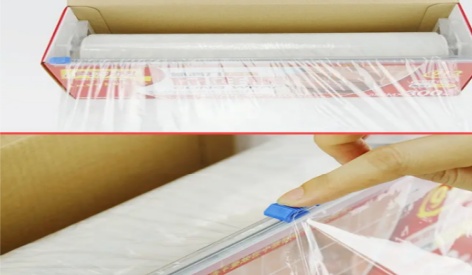
Fresh Produce:
Biodegradable cling film is ideal for packaging fruits and vegetables. The film helps retain moisture, which prevents drying out, while also allowing the produce to "breathe" and maintain its freshness.
Meat and Dairy Products:
Meat and dairy products require careful handling to avoid contamination. Biodegradable cling film provides a barrier to bacteria and air, helping to preserve the quality and safety of these products during transportation and storage.
Bakery Goods:
Bakery items, including bread, cakes, and pastries, require flexible packaging to maintain their softness and moisture. Biodegradable cling film wraps around these products seamlessly, preserving their texture and preventing premature staling.
Ready-to-Eat Meals:
With increasing demand for convenience foods, biodegradable cling film is a great solution for packaging ready-to-eat meals. It ensures hygiene and extends the product's shelf life, making it a popular choice for the foodservice industry.
Choosing the right biodegradable cling film depends on several factors, such as the type of food being packaged, the required shelf life, and environmental considerations. Here are some key factors to consider:
Material Type:
Different biodegradable cling films are made from different materials, and each material has its unique benefits. Choose one based on the level of food preservation you require and the environmental impact.
Thickness and Durability:
The thickness and durability of the film are important for ensuring it provides adequate protection. Consider the type of food and the level of protection it needs. For delicate items, thinner films may suffice, while thicker films may be necessary for heavy-duty applications.
Compostability Standards:
Ensure that the biodegradable cling film you choose meets recognized compostability standards, such as ASTM D6400 or EN 13432, ensuring it breaks down in commercial composting facilities.
Biodegradable cling film presents a sustainable, environmentally friendly solution for food packaging, addressing many of the challenges posed by traditional plastic films. By using renewable materials and offering compostability, these films help reduce waste and improve food safety and freshness. At Nanjing Jinhuigu Industrial Co., Ltd., we are committed to providing high-quality biodegradable cling film products that can help you achieve your sustainability goals while maintaining the highest standards of food safety and packaging performance.
Whether you are a food manufacturer, a retailer, or a consumer interested in reducing environmental impact, biodegradable cling film offers a great solution to meet your packaging needs. If you're looking for more information or assistance with your packaging requirements, feel free to contact us today.
Q1: How long does biodegradable cling film take to decompose?
A: Biodegradable cling film typically decomposes within a few months to a year, depending on environmental conditions like moisture, temperature, and microbial activity.
Q2: Is biodegradable cling film as strong as traditional plastic cling film?
A: Yes, biodegradable cling film offers comparable strength and durability to traditional plastic cling film, providing effective food protection and storage.
Q3: Can biodegradable cling film be used for all types of food?
A: Yes, biodegradable cling film can be used for a wide range of food items, including fruits, vegetables, meats, dairy, and bakery products. It is suitable for many food packaging applications.
Q4: How do I dispose of biodegradable cling film?
A: Biodegradable cling film should be disposed of through composting or in a composting facility. Ensure that it meets compostability standards, such as ASTM D6400 or EN 13432, for proper disposal.


