
- All
- Product Name
- Product Keyword
- Product Model
- Product Summary
- Product Description
- Multi Field Search
Views: 0 Author: Site Editor Publish Time: 2026-09-22 Origin: Site


Retailers constantly demand longer shelf life for fresh protein products. Processors face intense operational hurdles associated with spoilage, premature discoloration, and moisture loss. Uncontrolled purge damages product presentation and reduces viable shelf time. Advanced Barrier Film provides a highly sophisticated structural engineering solution. It functions as much more than a simple wrapping material. You need a reliable shield against aggressive biological decay. This article deconstructs exactly how these specialized films function. We will compare the various material options available today. You will discover a clear, actionable evaluation framework. Packaging decision-makers can use these insights to specify the correct film formats. You will learn to match specific polymer structures to your exact processing equipment. We focus purely on mechanical performance, material science, and operational implementation.
Oxygen and Moisture Control: Shelf-life extension relies on precise OTR (Oxygen Transmission Rate) and MVTR (Moisture Vapor Transmission Rate) metrics tailored to specific meat types.
Material Superiority: Multi-layer structures utilizing EVOH barrier film offer the highest reliability for gas blocking in modern meat processing.
Format Matters: The choice between MAP, VSP, and barrier display shrink film depends entirely on your presentation goals and existing equipment capabilities.
Total Cost of Ownership: Upfront film costs must be weighed against reduction in leakers, fewer retail rejections, and increased geographic distribution radius.
Fresh meat faces constant biological and chemical threats during transit and display. You must understand these degradation mechanisms to choose the correct packaging intervention. Microbial spoilage represents the most immediate threat. Aerobic bacteria thrive when exposed to ambient oxygen. They rapidly multiply on meat surfaces. This growth produces noticeable slime and offensive off-odors. Lipid oxidation acts as the second major threat. When fats interact with oxygen, they break down chemically. This turns the fat rancid and ruins the flavor profile.
Myoglobin oxidation creates severe visual presentation problems. Consumers buy meat with their eyes. They expect a bright, cherry-red color in fresh beef. Myoglobin gives meat this desirable color. When oxygen levels fluctuate inappropriately, myoglobin oxidizes into metmyoglobin. This turns the meat an unappealing brown. Shoppers reject brown meat immediately.
High-performance food preservation film acts as an active deterrent against these threats. Multi-layered films control gas permeability with extreme precision. They block external oxygen from entering the package. This starves aerobic bacteria. In MAP (Modified Atmosphere Packaging) applications, the film traps a specific protective gas mix inside.
Moisture retention serves as another critical intervention. Fresh meat naturally releases water over time. We call this purge or drip loss. Specialized films trap this moisture inside the muscle tissue. This prevents dehydration. It preserves the textural integrity of the meat. It also prevents unsightly liquid pooling in the package tray.
Best Practice Marker: Packaging significantly delays degradation processes. It extends the optimal window for consumption. However, even the most advanced film cannot reverse poor initial meat quality. It cannot undo the damage caused by temperature abuse during transit. You must maintain strict cold chain protocols alongside your packaging strategy.
Modern packaging relies on co-extruded multi-layer structures. A single polymer cannot provide all necessary physical properties. Manufacturers combine different materials to build robust fresh meat barrier packaging. We can break down the structural anatomy of these high-performance films into three primary categories.
First, structural layers provide mechanical strength. They typically consist of Polyethylene (PE) or Polypropylene (PP). These outer and inner layers offer excellent puncture resistance. They protect the package from bone-in cuts and rough handling. PE and PP also provide exceptional moisture barriers. Furthermore, the innermost layer dictates sealing performance. You rely on this layer to melt consistently and form a hermetic seal.
Second, the core barrier layer blocks atmospheric gases. EVOH barrier film (Ethylene Vinyl Alcohol) serves as the industry standard here. EVOH provides an exceptional barrier against oxygen, nitrogen, and carbon dioxide. Even a microscopic layer of EVOH effectively halts gas transmission. It preserves the internal atmosphere perfectly. It locks out the oxygen that causes browning and spoilage.
Third, tie layers hold the structure together. PE and EVOH possess completely different chemical properties. They do not naturally bond to one another. Tie layers act as specialized adhesives. They bond these incompatible polymers together during the extrusion process. This prevents delamination. It ensures the film remains intact under intense vacuum stress or extreme temperature changes.
Skeptical-Friendly Note: The industry currently faces an intense environmental debate. Highly effective multi-layer co-extruded films present recycling challenges. Their complex bonded structures resist traditional mechanical recycling. Emerging mono-material options claim better recyclability. However, they often fall short in gas barrier performance. You must carefully navigate the trade-off between absolute shelf-life extension and theoretical recyclability.
Different meat cuts require different packaging formats. You must map specific film types to your precise operational outcomes. Formats differ widely in presentation style, oxygen management, and equipment requirements. Here is a breakdown of the three primary formats used in modern processing.
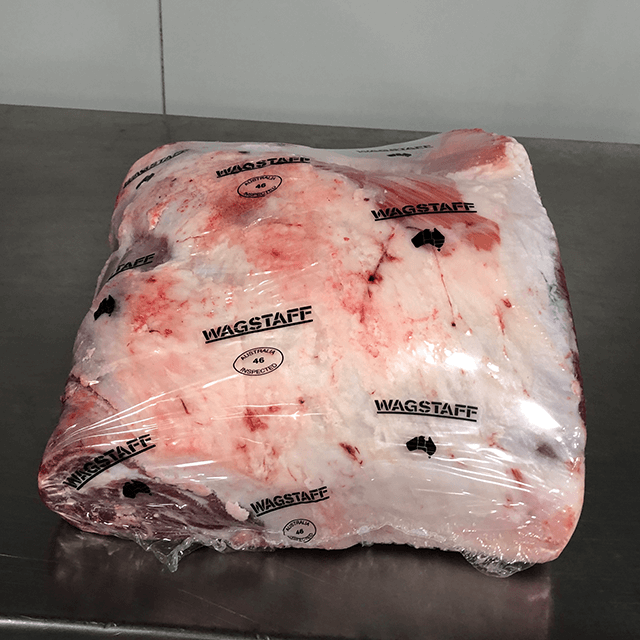
Shrink Packaging: High-clarity barrier display shrink film works best for poultry, whole roasts, and specific contoured cuts. The film shrinks tightly around the meat when passed through a hot water tunnel. This shrinking action physically squeezes the product. It eliminates capillary gaps between the meat surface and the film. Removing these gaps drastically reduces drip loss. It prevents unsightly purge from pooling inside the package.
Vacuum Skin Packaging (VSP): VSP delivers a highly premium presentation. The film heats up and drapes over the product like a second skin. It conforms to every contour of the meat and seals directly to the bottom board or tray. VSP eliminates all oxygen exposure. This drastically slows microbial growth. VSP generally offers the longest possible shelf-life extension for fresh cuts.
Modified Atmosphere Packaging (MAP): MAP lidding films work exceptionally well for ground meats and delicate cuts. The machine draws out ambient air and replaces it with a specific gas mixture. This usually includes elevated oxygen to keep meat red, and carbon dioxide to inhibit bacteria. MAP films require specialized anti-fog properties. They must also feature reliable peel-reseal functionalities for consumer convenience.
Implementation Reality: Your existing equipment often dictates your initial format choice. Thermoformers handle VSP and flexible roll-stock beautifully. Tray sealers excel at rigid MAP applications. Rotary vacuum chambers specialize in shrink bags. Changing formats often requires entirely new machinery lines.
You must rigorously audit any film supplier's specification sheet. Choosing the wrong parameters leads directly to operational failures. You need a structured decision framework to evaluate film properties.
You must match OTR and MVTR specifications to the specific respiration requirements of your product. Dark cutting beef behaves differently than fresh pork. Poultry requires different gas management than ground chuck. Over-specifying a barrier can suffocate certain respiring products. Under-specifying allows rapid spoilage.
Puncture resistance matters immensely for bone-in cuts. Ribeyes, T-bones, and pork chops possess sharp bone edges. Standard films will easily puncture under vacuum pressure. You must evaluate standard films against heavy-gauge alternatives. In extreme cases, you must apply secondary bone-guard patches before vacuum sealing.
Seal integrity prevents leakers. High-speed processing lines move rapidly. Contaminants like blood, fat, or marinades often splash onto the sealing area. You must analyze a film's hot-tack strength. It must feature robust seal-through-contamination capabilities. Weak seals pop open during transit. This ruins the controlled atmosphere and guarantees spoilage.
Metric | Definition | Operational Impact |
|---|---|---|
OTR | Oxygen Transmission Rate. Measures oxygen passing through the film. | Controls browning and aerobic bacteria growth. |
MVTR | Moisture Vapor Transmission Rate. Measures water escaping. | Prevents dehydration and maintains product weight. |
Hot-Tack | The strength of the seal immediately after heat application. | Prevents seal failure on high-speed automated lines. |
Optics | Measurements of haze, clarity, and gloss. | Drives retail appeal and consumer purchasing decisions. |
Finally, balance barrier thickness with optical performance. Thicker films resist punctures better. However, they often suffer from increased haze. You need high clarity, excellent gloss, and reliable anti-fog performance to ensure retail appeal.
Moving a new film from the specification sheet to the production floor involves risk. You cannot assume a film will perform flawlessly just because the laboratory metrics look good. You must carefully manage implementation protocols.
Machine machinability stands as a primary concern. Films behave differently under tension. Some films curl uncontrollably when unrolling. Others shrink inconsistently in the heat tunnel. Certain polymer blends cause drag over forming collars. This jams form-fill-seal machines. Poor machinability causes massive line downtime. It frustrates operators and reduces daily throughput.
You must watch out for hidden operational failures. Substandard films often lead to high factory reject rates. They suffer from compromised seals that open during palletization. They cause premature retail spoilage. A film that performs poorly on the line disrupts the entire production schedule.
We recommend a strict, phased testing protocol before making any large procurement commitment.
Phase One: Conduct pilot line testing focused purely on machinability and seal strength. Check for curling and jamming.
Phase Two: Run accelerated shelf-life testing. Monitor gas levels inside the package over several days. Check for early discoloration.
Phase Three: Execute physical transit abuse simulations. Subject the packaged meat to vibration tables and drop tests. Verify that the seals hold up under real-world logistics stress.
High-barrier films serve as critical risk-mitigation tools for modern meat processors. They successfully block oxygen, retain moisture, and protect fragile biological structures. Choosing the correct multi-layer polymer configuration prevents premature browning and microbial spoilage. These films protect your brand equity. They also expand your safe geographic distribution range.
To move forward, audit your current operational metrics. Document your existing leaker rates and track where seal failures occur. Request precise OTR and MVTR data sheets from your current suppliers. Order sample rolls of advanced co-extruded structures and initiate parallel testing on your equipment. Data-driven testing ensures you match the exact packaging technology to your unique operational demands.
A: Shelf life depends heavily on temperature control and format. Under strict MAP or VSP formats, EVOH can extend fresh beef shelf life from a standard 3-5 days up to 14-21 days. Arbitrary guarantees do not exist; you must maintain an unbroken cold chain for the film to perform optimally.
A: The difference lies primarily in the Oxygen Transmission Rate (OTR). High barrier films utilize advanced polymers like EVOH or PVdC to achieve extremely low OTRs (often less than 10 cc/m²/day). Standard barrier films rely on thicker layers of basic polymers, allowing significantly more gas transmission over time.
A: Standard gauge shrink films easily puncture on sharp bones. For bone-in cuts, you must use high-gauge, cross-linked shrink films designed specifically for abuse resistance. In extreme applications, you must apply secondary bone-guard patches over exposed bones before vacuum sealing the bag.
A: Currently, most multi-layer barrier films are not widely mechanically recyclable due to their complex, mixed-polymer structures. While advanced chemical recycling technologies are emerging to process these mixed plastics, widespread commercial infrastructure does not yet exist. Processors must currently balance exceptional food waste reduction against material recyclability.


